
Wheel Chocks Cost Guide: Heavy-Duty Safety & Pricing Breakdown

Wheel chocks cost is one of those search terms people usually type right before making a purchase but here’s the problem: most buyers compare price first and safety second. That’s where things go wrong in industrial environments.
Wheel chocks aren’t just rubber blocks. They are load-bearing safety devices designed to prevent trucks, trailers, and heavy equipment from rolling unexpectedly. And yes, the cost varies widely depending on material, size, load rating, and industrial grade compliance.
Wheel chocks cost depends on material type, load capacity, size, and industrial grade quality. Basic rubber wheel chocks may cost less, while heavy-duty or truck-rated chocks are more expensive due to higher durability and safety performance. Industrial buyers often purchase in bulk to reduce per-unit cost. Proper selection ensures safety compliance, reduces accident risk, and improves long-term value in logistics and transport operations.
What Affects Wheel Chocks Cost?
Let’s be honest there is no single fixed price. The cost is directly tied to how much risk the product is designed to handle.
1. Material Type
- Rubber: Affordable, high friction, general use
- Composite: Mid-range, weather resistant
- Steel-reinforced: High-cost, extreme-duty use
2. Load Capacity
Higher weight rating = higher manufacturing cost.
3. Size & Design
Large truck chocks cost significantly more than small vehicle versions.
4. Grip Technology
Grill-textured or high-traction surfaces increase cost but improve safety.
Typical Wheel Chocks Cost Range (Real-World Guide)
While pricing varies by supplier and region, here’s a practical breakdown:
Light-duty wheel chocks
- Approx. low-cost range
- Used for cars, small trailers, light equipment
Medium-duty wheel chocks
- Mid-range pricing
- Used in warehouses, forklifts, light trucks
Heavy-duty wheel chocks
- Higher cost range
- Designed for trucks, trailers, and industrial fleets
Bulk purchase (industrial sets)
- Lower cost per unit
- Common for logistics companies and warehouses
For industrial-grade supply options, explore:
Why Cheap Wheel Chocks Can Cost More Long-Term
This is where most buyers make a critical mistake.
Low-cost chocks often fail because:
- Poor grip on wet or oily surfaces
- Cracking under heavy load pressure
- Incorrect load rating claims
- Faster wear and tear
Industrial Use vs Residential Use Cost Difference
Residential Use
- Lower load requirements
- Smaller vehicles
- Basic rubber chocks are sufficient
Industrial Use
- Heavy trucks and trailers
- High safety compliance standards
- Requires certified load-rated products
For workplace safety equipment, explore:
Bulk Buying Impact on Wheel Chocks Cost
Buying individually vs in bulk changes everything.
Individual purchase
- Higher per-unit cost
- Suitable for small usage
Bulk industrial purchase
- Lower per-unit cost
- Standardised safety across operations
- Preferred for logistics and transport fleets
If you manage multiple loading zones, bulk purchasing is usually the smarter financial decision.
Hidden Costs Buyers Don’t Think About
Wheel chocks cost isn’t just the purchase price.
1. Replacement frequency
Cheap chocks wear out faster.
2. Accident risk cost
One failure can cost thousands in damage or downtime.
3. Compliance penalties
Unsafe equipment can lead to audit failures.
4. Operational delays
Missing or broken chocks slow down loading cycles.
How to Choose the Right Wheel Chocks for the Price
Don’t just chase the cheapest option match cost with application.
Check load rating first
Never compromise here.
Match material to environment
Wet, oily, or outdoor sites need stronger grip.
Consider long-term durability
Higher upfront cost often reduces replacement cycles.
Think operational scale
More vehicles = need for bulk cost optimisation.
FAQs
What is the average wheel chocks cost?
It varies by type, but light-duty is cheapest, while heavy-duty industrial chocks cost more due to higher load capacity.
Why are industrial wheel chocks more expensive?
Because they are engineered for higher weight loads, safety compliance, and durability.
Are expensive wheel chocks worth it?
Yes especially in industrial environments where failure risks are high.
Can I buy wheel chocks in bulk to save money?
Yes, bulk purchasing significantly reduces per-unit cost.
For general safety and industrial equipment reference:
Wheel chocks cost isn’t just a price comparison it’s a safety decision wrapped in a financial one. The cheapest option often looks attractive upfront but can quietly increase risk exposure and long-term costs.
The smarter approach is simple: match the chock to the job, not the budget. Industrial environments demand reliability, and reliability always has a cost but it also prevents far greater losses.
Contact Information
Sands Industries & Trading Pty Ltd
Unit 27/191, McCredie Avenue, Smithfield, NSW 2175
Phone: +61 4415 9165 | +61 477 123 699
Sales: sales@sandsindustries.com.au
Contact: Sands Industries Contact Page
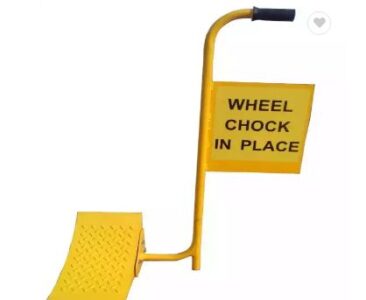
Advanced Wheel Chock Systems: From Electric Solutions to Bolt-Down Industrial Safety Designs
Industrial Vehicle Safety Blocks for Heavy Equipment, Trucks & Compliance-Driven Operations
Black Rubber Wheel Chocks: Heavy-Duty Vehicle Safety & Grip Solution
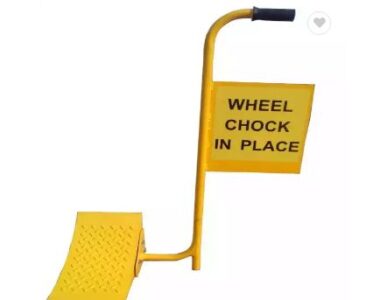
Vehicle Wheel Stabilizers for Trucks, RVs & Industrial Equipment
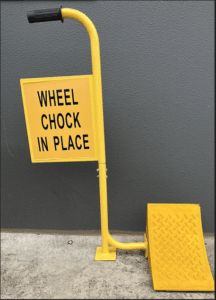
Heavy Duty Wheel Chocks for Industrial Safety: Types, Uses & Load Ratings Explained